
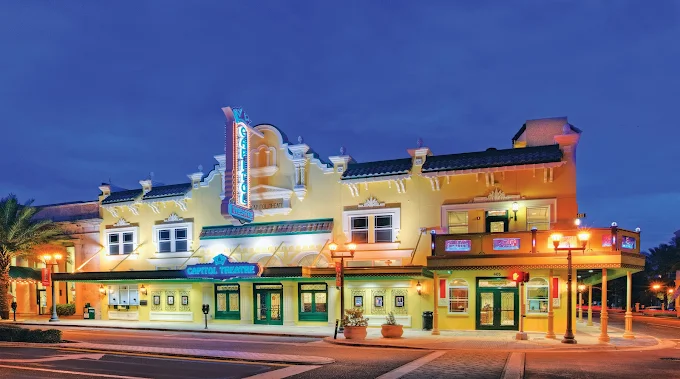
Nestled in the heart of downtown St. Petersburg, the Bilheimer Capitol Theatre stands as a testament to architectural grandeur, cultural evolution, and the enduring power of live performance. More than just a venue, it’s a living artifact, echoing with a century of laughter, tears, applause, and unforgettable moments. From its humble beginnings as a silent film palace to its current incarnation as a premier performing arts center, the “Cap” has been a consistent beacon for entertainment in the Sunshine City.
A Glimpse into the Past: From Picture Palace to Performing Arts Hub
The theatre first opened its doors on March 21, 1921, christened simply as the “Capitol Theatre.” Designed by renowned architect Thomas W. Lamb, whose other notable works include the Ziegfeld Theatre in New York City, it was a magnificent example of neo-classical architecture. The ornate lobby, gilded ceilings, plush seating, and state-of-the-art projection booth immediately established it as a jewel among St. Petersburg’s burgeoning entertainment scene. In its early years, the Capitol was primarily a movie house, a grand “picture palace” where audiences could escape into the magic of the silver screen, often accompanied by live organ music. Over the decades, the theatre adapted to the changing tides of entertainment. The advent of “talkies” in the late 1920s saw sound systems installed, and as the golden age of Hollywood flourished, the Capitol continued to draw crowds with the latest blockbusters. However, like many historic theatres across the country, the rise of multiplex cinemas and television in the latter half of the 20th century presented significant challenges. The theatre experienced periods of decline and even closure, its once vibrant halls falling silent for stretches of time.
A Resounding Revival: The Ruth Eckerd Hall Connection
The true turning point in the Capitol Theatre’s modern history came with the intervention of Ruth Eckerd Hall, a prominent performing arts organization based in Clearwater. Recognizing the immense historical and cultural value of the aging structure, Ruth Eckerd Hall embarked on a monumental restoration project in 2009. This ambitious endeavor aimed to preserve the theatre’s historic charm while upgrading its facilities to meet the demands of contemporary live performances. The multi-million-dollar renovation was a meticulous undertaking. Architects and preservationists worked tirelessly to restore original features, from the intricate plasterwork to the dazzling chandeliers. State-of-the-art sound and lighting systems were installed, seating was modernized for comfort, and accessibility features were added. The stage was expanded, and backstage areas were revamped to accommodate a wider array of touring acts. This painstaking restoration breathed new life into the beloved landmark, culminating in its grand re-opening in 2013, now proudly bearing the name “Bilheimer Capitol Theatre” in honor of a generous benefactor.