
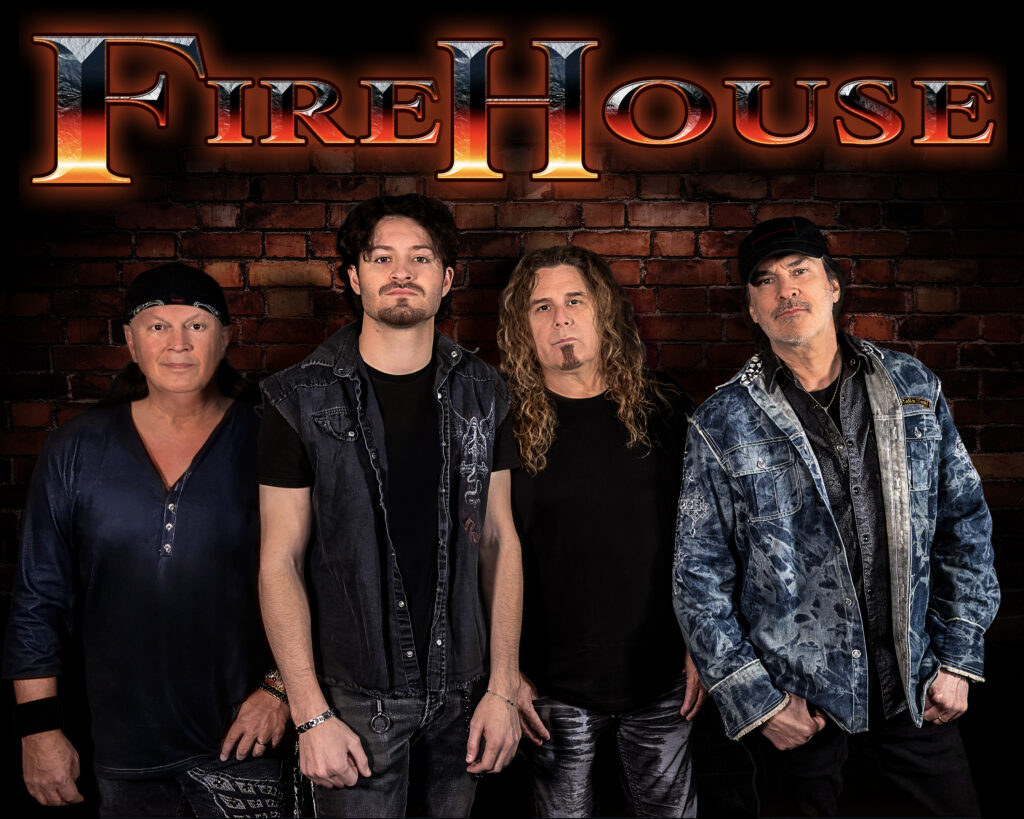
Ahead of FireHouse’s upcoming visit to the Tampa Bay area, I had the opportunity to sit down with guitarist Bill Leverty for a wide-ranging conversation about the band’s current tour, new music, and what life on the road looks like at this stage of their career.
When asked how the tour is going, Leverty said the band is enjoying a busy run of shows with Warrant and Lita Ford, along with select headlining dates. Those longer headlining sets give FireHouse more room to work new music into the show. “We’re playing a lot of shows,” Leverty said. “When we have a headlining show, we usually have time to do two new songs. If we’re opening, we usually have time to do one, and the one we’re doing is our latest one. It’s called Midnight Gasoline. It’s going over well.”
The band’s latest song, Midnight Gasoline, has already become a favorite for its driving beat, strong riffs, powerful drums, and standout vocals. Leverty said FireHouse is building toward more new music, but the process is intentionally gradual. “We’re two songs into it,” he explained. “We’re doing one song at a time. It takes a while because we’re touring at the same time and doing other things, but we’re going to work on the third song next.”
Leverty said the band releases new songs on its website first so longtime supporters can hear them before they reach the major streaming platforms. It is a fan-first approach that he believes is working.
Touring looks different now than it did in the band’s earlier years. Leverty joked that things changed “now that I’m over 29,” but the biggest shift is logistical: FireHouse primarily plays weekend fly dates rather than long stretches on a tour bus. A typical weekend may include flying out on Thursday, playing Friday night, catching an early flight Saturday morning, performing again Saturday night, and flying home Sunday. The schedule reflects both the band’s audience and the realities of weekday commitments. “Most people in our audience aren’t as likely to go out to see a band on a Tuesday or Wednesday night because they have to get up and go to work in the morning,” Leverty said. “So, we’re doing weekend-warrior touring — a lot of late nights and early flights.” While the band is not opposed to using a tour bus if the right opportunity comes along, Leverty said flying has become the practical choice. He laughed about the tradeoff: years ago, the money went to bus companies; now, it goes to airlines. The dream solution? “Just buy a plane,” he joked.
Leverty also reflected on what it was like for FireHouse to play at Disney, describing the theme-park experience as “a whole different animal” from traditional venues or larger bar settings. The band performed three sets per evening, each with packed crowds and many different people coming through from set to set. Leverty said the shows gave FireHouse a chance to reach listeners who may not have seen the band before, or who only knew a song or two. The format was demanding, though. After giving everything during the first set, the band had only about 45 minutes to regroup before going back out and doing it again. “It got us in shape,” Leverty said, noting that singing three sets is very different from singing one.
The Disney shows were also meaningful for personal reasons. Leverty praised Nate for doing “a fantastic job” singing and said the band deeply missed CJ, who had long wanted to play that venue. Each set included a song dedicated to CJ, and one night became especially memorable when CJ’s daughter was in attendance. Leverty described Epcot as a beautiful, laid-back place that still knows how to rock during the Garden Rocks Festival. He said he hopes FireHouse has the chance to return and encouraged fans to experience the venue for themselves.
Reflecting on FireHouse’s longevity, Leverty noted that he and Michael Foster first started playing together in 1984, back in their White Heat days. By his count, that means they have been making music together for more than four decades. That kind of history is rare in music, especially in an industry where bands often face lineup changes, creative disagreements, and the pressures of life on the road.
When asked how the band has stayed together through so many years, Leverty pointed to shared musical instincts, similar values, and mutual respect. He said the members tend to see the world in similar ways, which helps them work through disagreements. “It’s like a marriage,” he said. “You go into it thinking, ‘I’m going to try to make this work.’ You want to be part of the solution instead of part of the problem.”
Leverty said FireHouse’s writing process changes from song to song. Sometimes the band writes together in a room; other times, one member brings in an idea, and the group develops it from there. For Leverty, the best method is simply the one that gets the song finished.
When asked about his favorite song to play right now, Leverty pointed to FireHouse’s latest release, Midnight Gasoline. He described it as challenging in the best way — a song that requires focus, energy, and precision every time the band performs it. “You’re walking on a tightrope,” he said. “There’s a lot of singing and a lot of playing. It’s not an easy song to play, and I kind of like that. I want to be nervous when I get up there because it makes you try harder and keeps you on your toes.”
Even after decades of performing, Leverty said he still gets nervous before every show. Once he steps onstage, hits the first chord, hears what he needs to hear, and knows his guitar is in tune, he can relax. Those nerves come from wanting every show to be great. Leverty said the band wants fans to leave excited, tell their friends what they missed, and come back the next time FireHouse plays nearby. Things can go wrong onstage — a broken string, a lost voice, or a problem hearing the mix — but experience has taught the band how to adapt and keep the show moving.
Leverty named the Scorpions as his favorite band and recalled getting to play with them once at the Zoo Amphitheater in Oklahoma. He also spoke warmly about Warrant, calling them “like our brothers,” and remembered a 1992 tour with Tesla that began as a six-week run and stretched into nine months. He also praised Lita Ford and her band, noting their strong songs, musicianship, and camaraderie. Across the years, Leverty said FireHouse has been fortunate to tour with bands they genuinely got along with. One piece of advice that stayed with him came from Richie Sambora, who told him to make sure the songs he writes and releases are songs he will still want to play every night — even when he is not feeling well.
Leverty said the biggest change is that the traditional music business no longer exists in the same way. Record stores are gone, radio is more corporate, and listeners now discover music across streaming platforms, playlists, and social media. In FireHouse’s early days, a local radio station could change a band’s future. Leverty recalled how Home Is Where the Heart Is gone to No. 1 on a Charlotte, North Carolina, rock station, helping the band build momentum toward a record deal.
Today, he said, music is less centralized. Fans have access to endless songs, apps, games, and social platforms, which makes it harder for any one song or album to reach everyone at the same time the way records once did.
Leverty also reflected on family life, saying he feels fortunate. He and his wife recently celebrated their 30-year anniversary in Florida, including a visit to Lido Beach in Sarasota, where he had proposed years earlier. He said the years have gone by quickly, but they have built a full life together. While touring often means time away from home, Leverty said his wife stays busy, and the family is proud of their daughter, who has graduated from college and is building her own path.
As for the future of FireHouse, Leverty has no plans to slow down. He said he wants to keep going “forever” because playing guitar, making music, and performing live remain the greatest job he could imagine. The travel can be difficult — late nights, short sleep, early airport runs, and security lines — but Leverty keeps it in perspective. He described it as the kind of job he dreamed about as a kid and said he cannot see himself doing anything else.
When asked what he hopes fans understand about the band and what legacy they wish to leave, Leverty said FireHouse has always tried to be open and honest in interviews. At their core, he described the band members as normal, easygoing people who know they have been lucky to do what they love. Even though the travel can be grueling, Leverty said the fans provide the adrenaline that keeps the band going. Their continued support means everything to FireHouse.
“We really, really owe it all to our fans,” he said.
Note from Joanne: Bill was wonderful to speak with—kind, humble, and genuinely enjoyable in conversation. You could tell he truly loves his fans and what he is doing, along with his bandmates.